Weather
Data
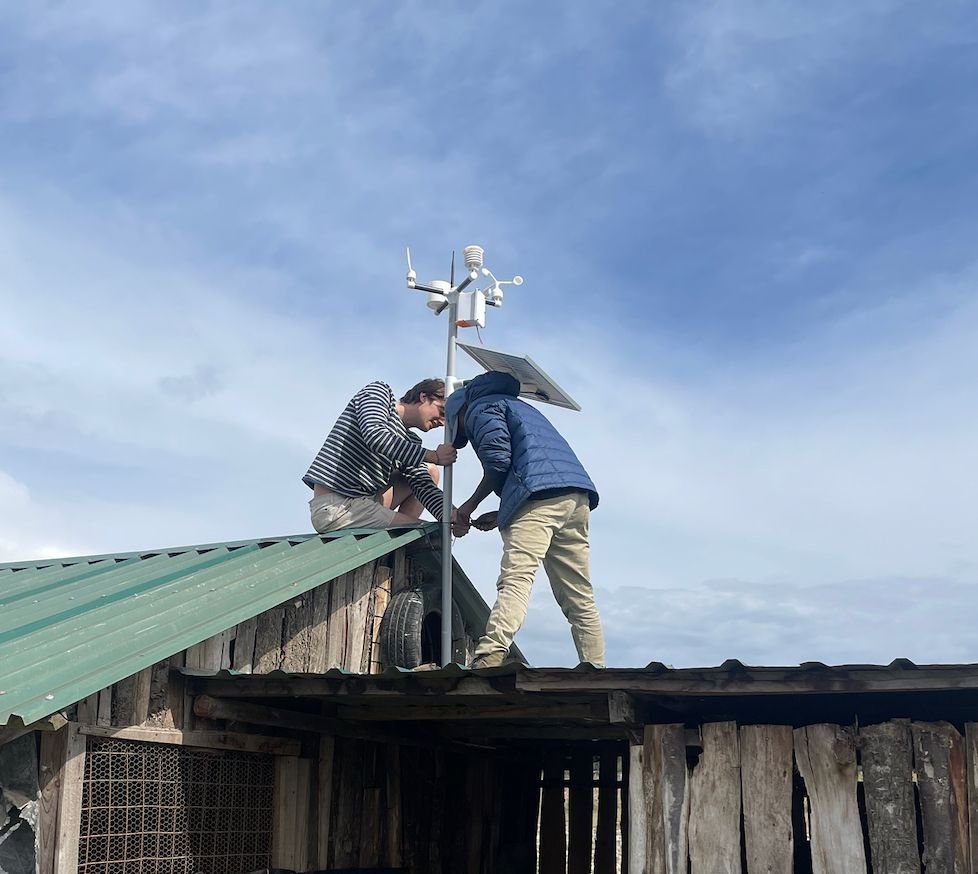
Temperature, humidity, atmospheric pressure and UV index tracked continuously at field level — the full micro-climate picture for smarter crop decisions.
Live conditions — Station WS-017, Nakuru
Temperature
22.4°C
Feels like 23.1°C
Humidity
68%
Dew point 15.8°C
Pressure
1013hPa
Stable · rising
UV Index
6
High · use protection
Why it matters
Field weather drives
every agronomic decision
Regional weather station data is too coarse. Micro-climates vary dramatically across even a single farm. Local data means smarter, more precise decisions.
Heat stress early warning
Get alerted before temperatures breach crop-specific stress thresholds. Act before yield loss occurs — increase irrigation or apply shade cloth in time.
Disease pressure forecasting
Fungal diseases thrive in specific humidity + temperature windows. Use field-level VPD and humidity data to predict and prevent outbreaks before they start.
Evapotranspiration (ET) modelling
Temperature, humidity, pressure and wind are the four inputs to the FAO-56 Penman-Monteith formula. Drive your irrigation scheduling with real local ET data.
UV-informed field scheduling
High UV degrades certain pesticide formulations within hours of application. Schedule spray operations around UV readings to maximise chemical efficacy.
Pressure trend analysis
Falling barometric pressure predicts incoming rain or storms. Pair pressure trends with rain data to anticipate conditions 6–12 hours ahead without internet.
3-year climate records
Build a precise on-farm climate archive. Compare season-to-season variation, document climate trends and improve year-ahead planning with real historical data.
Technical specifications
Sensor specifications
Applications
Who uses weather data
01
Horticulture & floriculture
Flowers and vegetables are highly sensitive to temperature and humidity swings. Field weather data enables proactive climate management across multiple growing blocks.
02
Disease management programmes
Agri-extension officers and crop advisors use humidity + temperature windows to predict Phytophthora, Botrytis and other humidity-driven disease outbreaks.
03
Precision irrigation scheduling
Feed real ET data calculated from your own field's temperature, humidity and pressure into automated or manual irrigation scheduling workflows.
04
Agri-research stations
Universities and KALRO stations use hyper-local weather records to correlate climate variables with yield outcomes across replicated field trials.
Start capturing your farm's micro-climate
Get in touch for a quote, demo, or site visit. Our team covers all of Kenya.
Get in touch