Station Log
What the instruments on Kenyan farms actually recorded — rainfall, wind and the hours you can spray. Measurements, not forecasts.
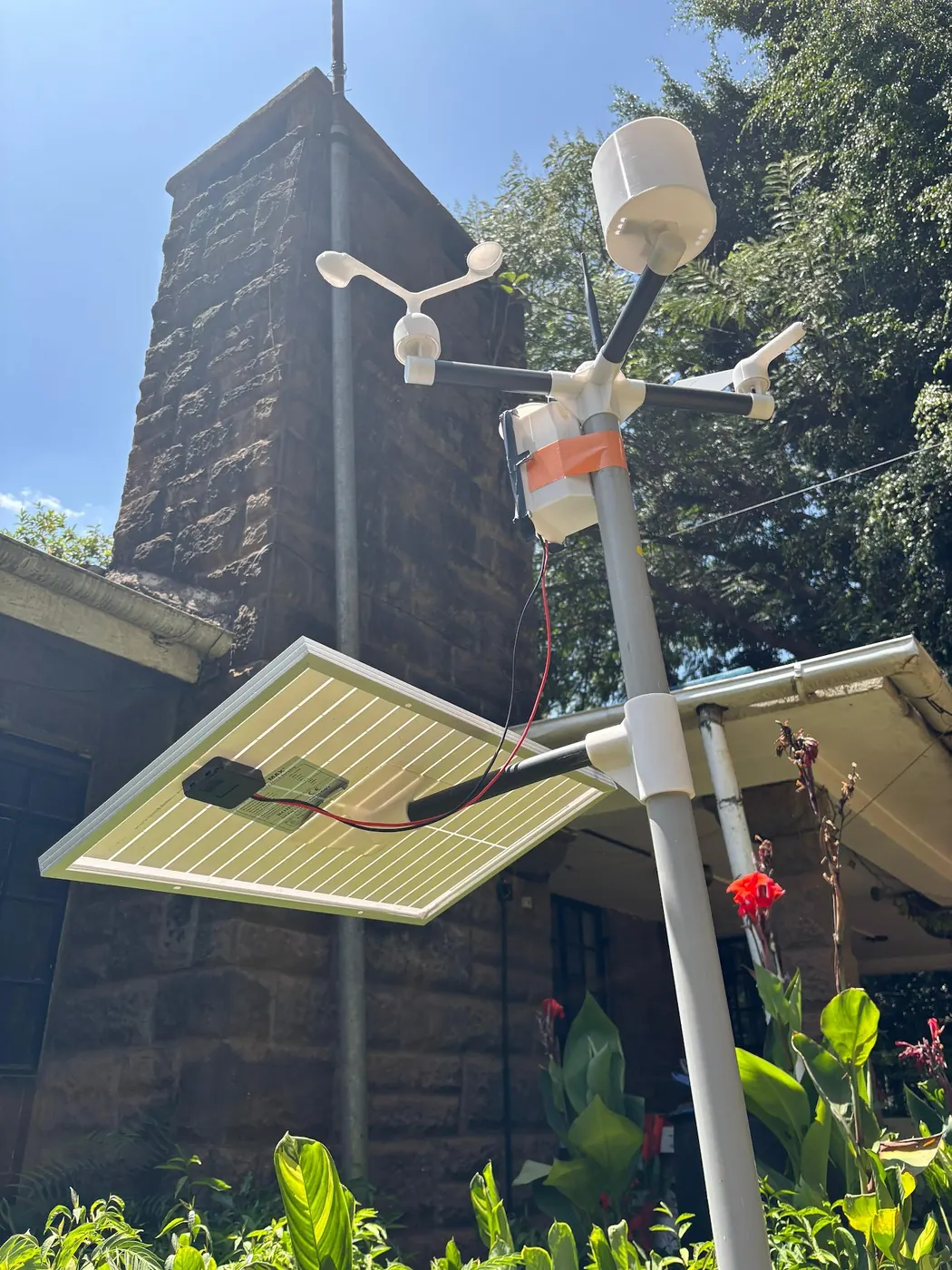
What 0.2 mm of rain actually means on your farm
In Kenyan records 0.2mm is the line between a dry day and a wet one, not a bucket size. Measured tips run from 0.221mm to 0.367mm, and every gauge undercounts once rain passes about 50mm an hour.
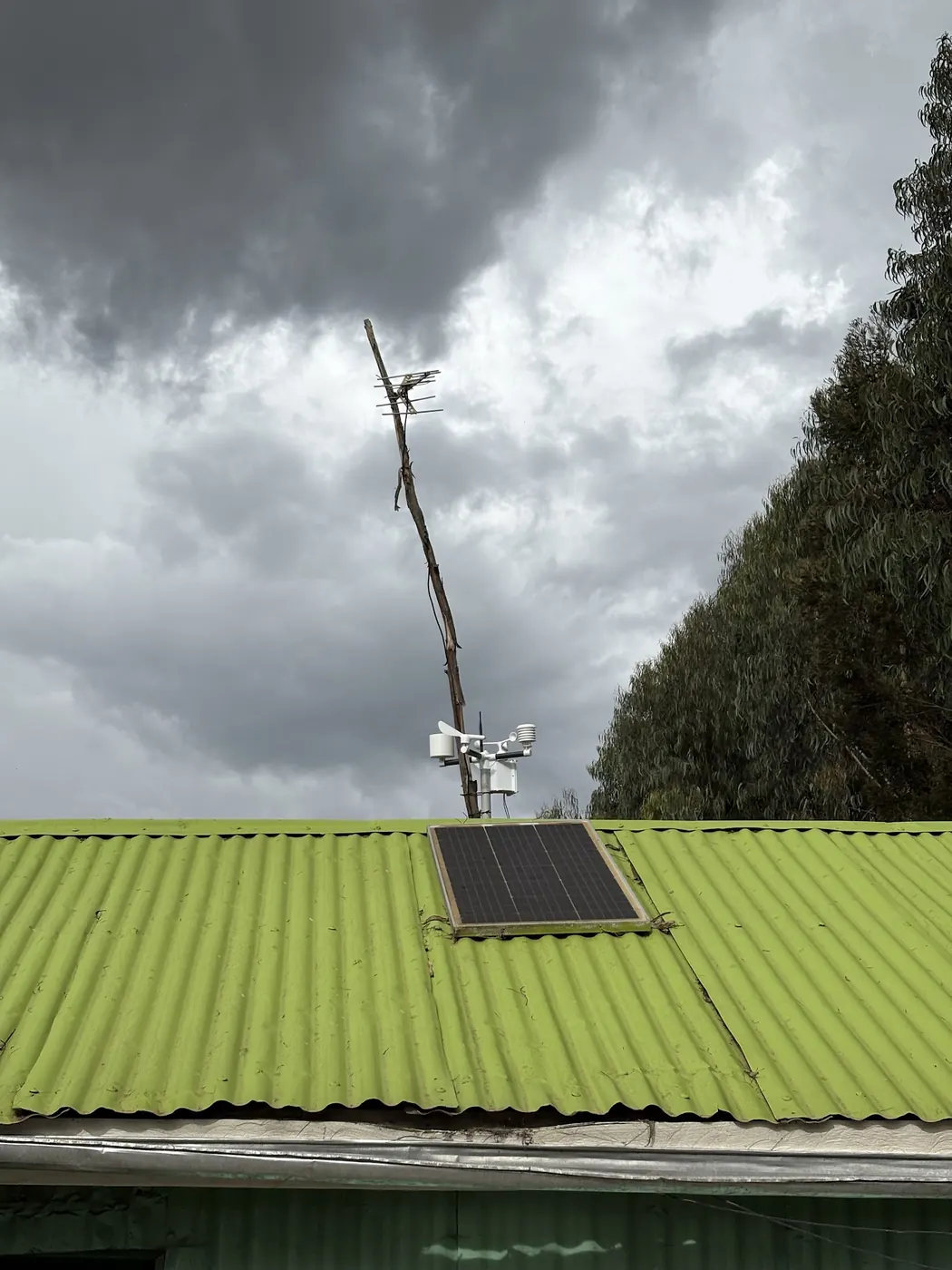
Rainfall intensity: how fast the rain fell, not just how much
Across eight Kenyan stations last month, only 1.1 percent of ten-minute readings carried any rain at all, so the water came in short bursts. Your gauge already logs every tip; the rate is in there, waiting to be worked out.
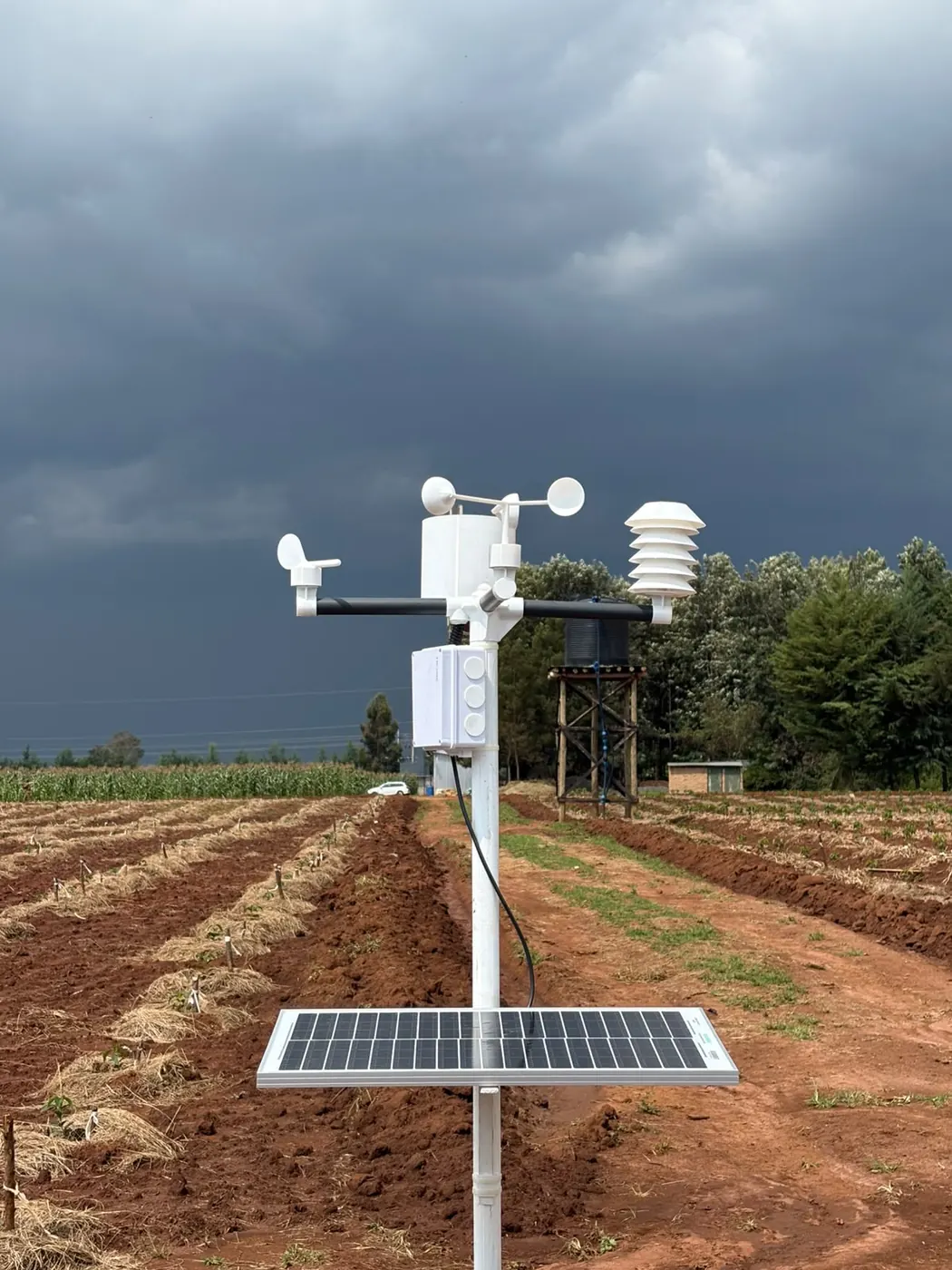
How long leaves stay wet matters more for disease than how much rain fell
Many fungi need about nine unbroken hours of free water on the leaf. Our five stations averaged 6.2 wet hours a day for a month, while a coffee study across six Kenyan counties put the rust line at ten hours with humidity above 75 percent.
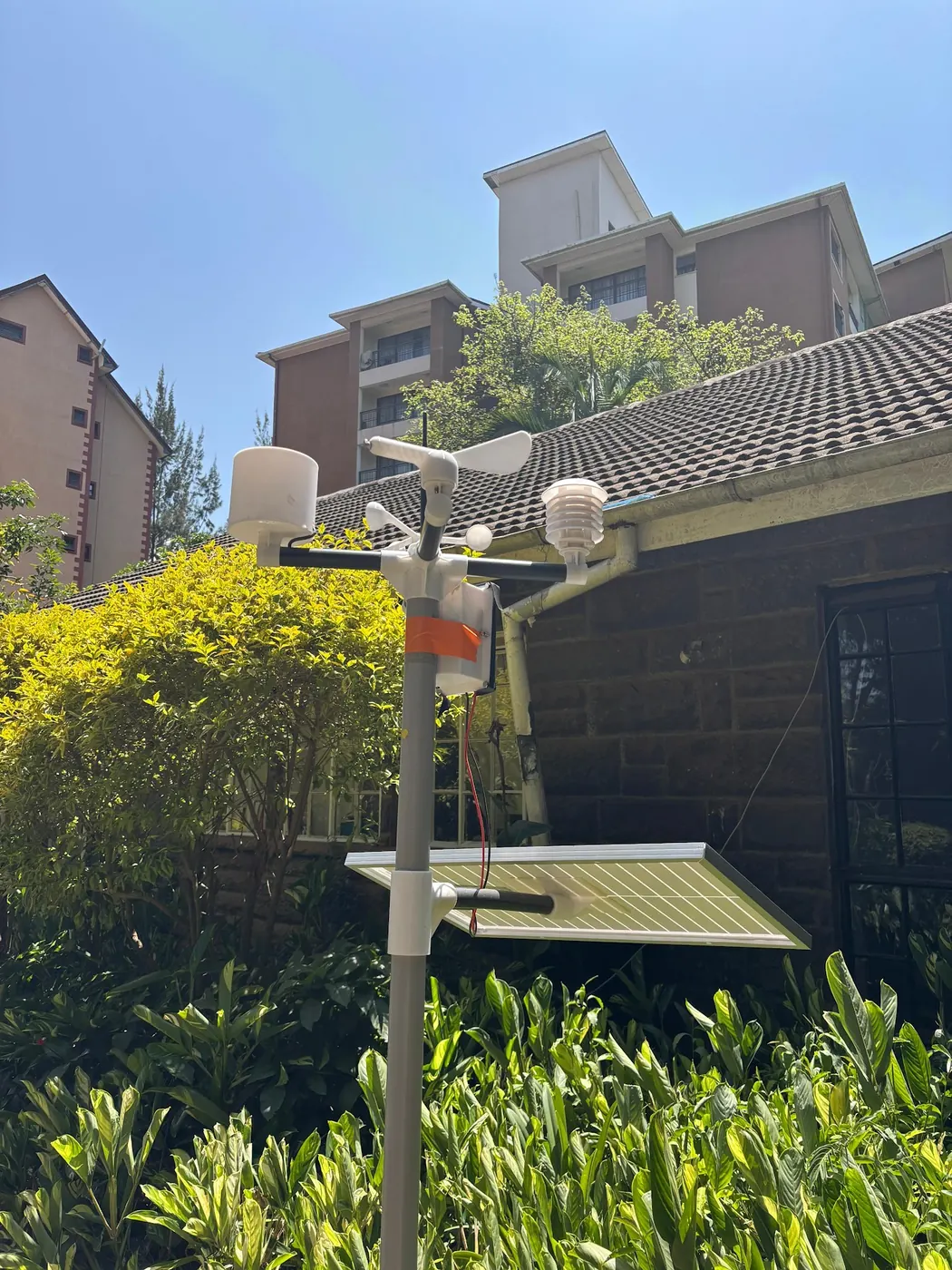
Weather station siting: how much clear ground each sensor needs
Across 11 stations in Kenya over one month, rainfall totals ran from 0 to 157.8 millimetres and temperature from 3.9 to 31.3 degrees. That spread is the sum of eleven different siting compromises, made before any reading was logged.
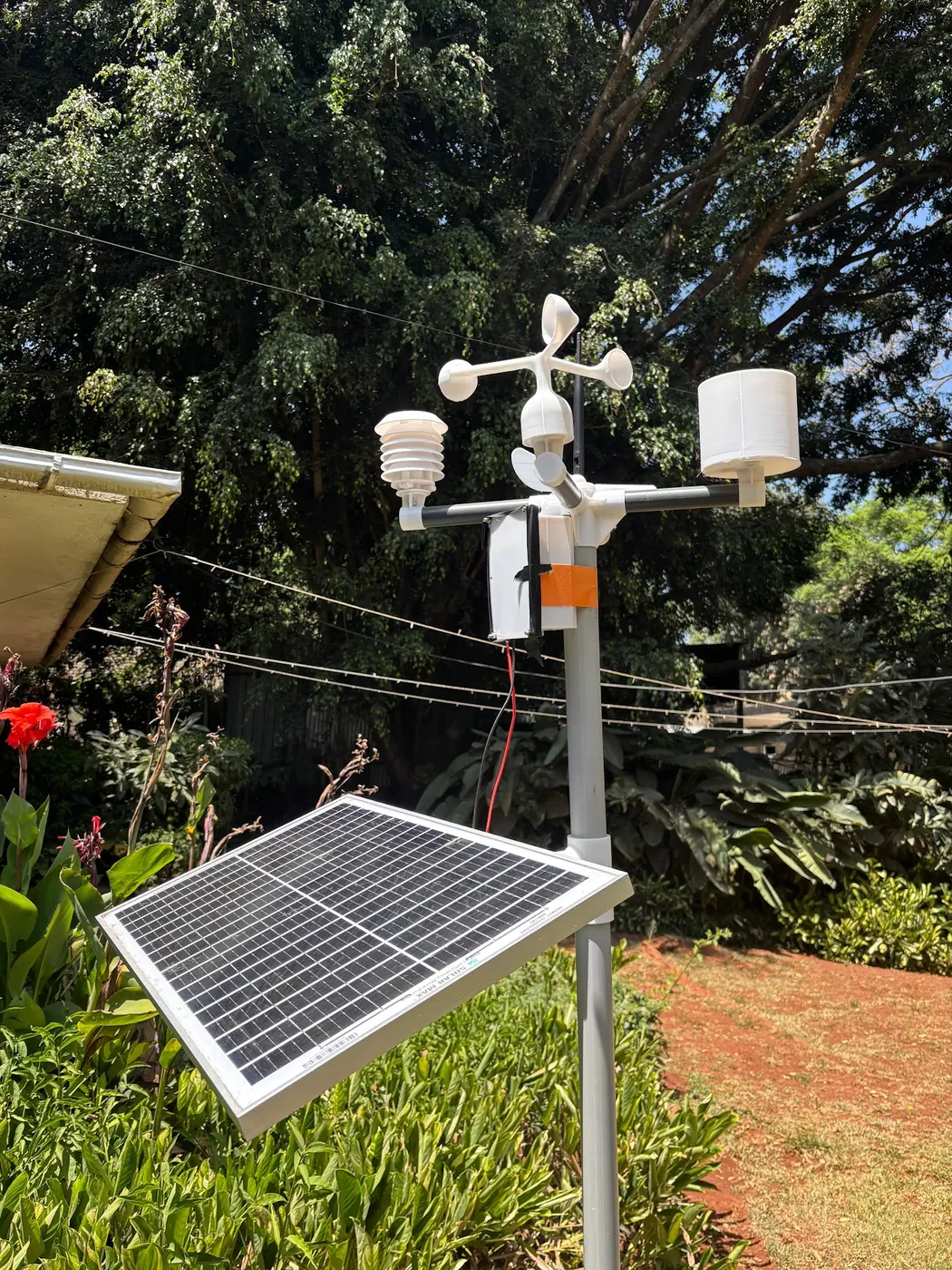
Weather station siting problems: usually an afternoon's work to fix
A mast that has reported for two seasons can still be reading a fence, a wall or an afternoon shadow. Three responses are on the table before the short rains, and they cost very differently.
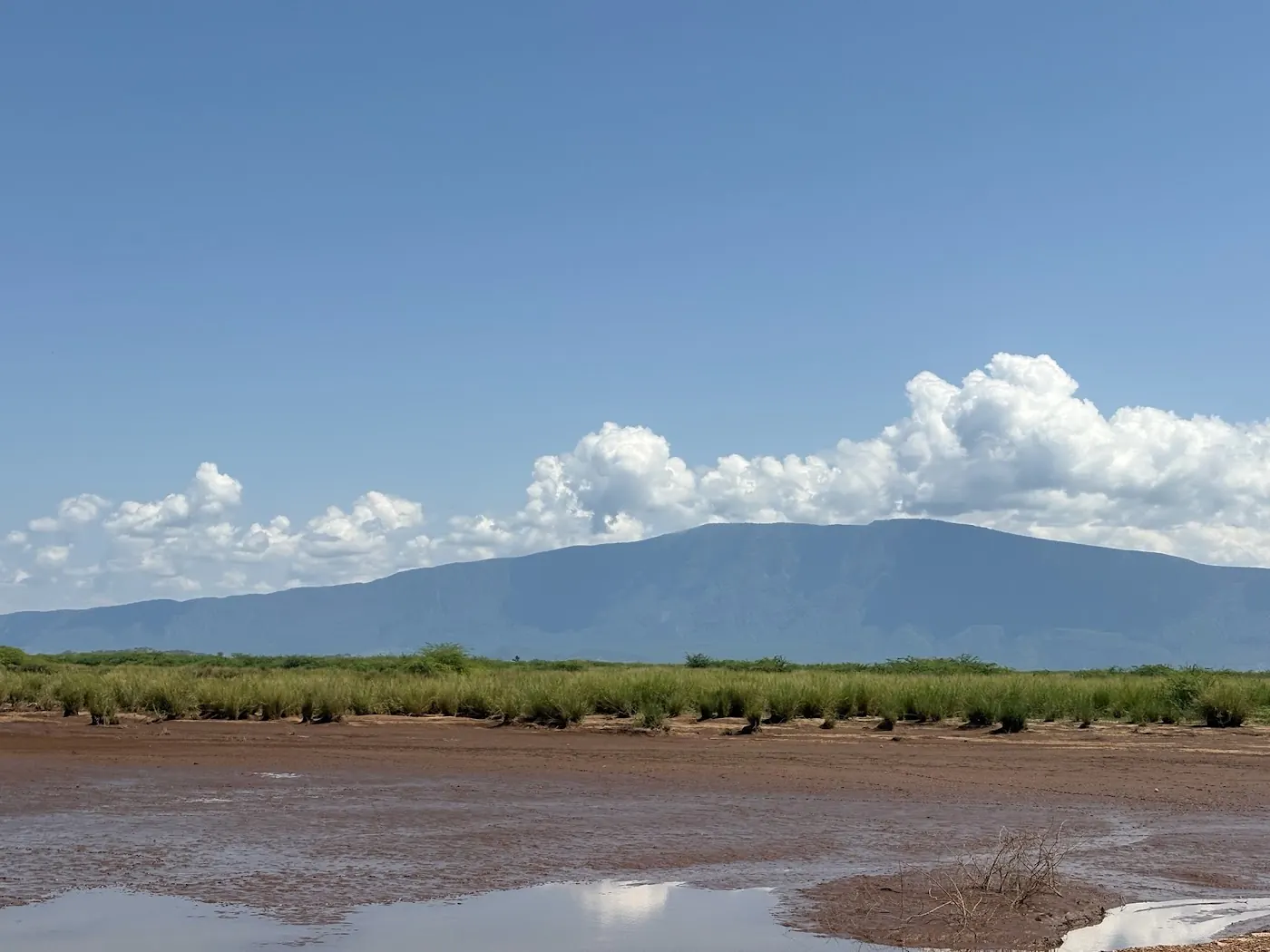
Rain gauge errors: undercatch, spacing and how to fix them
A rain gauge looks like the simplest instrument on the farm: a funnel, a bucket, a number. The evidence says the number moves for reasons that have nothing to do with how much rain actually fell.
Rainfall data accuracy: why your phone and your field gauge disagree
Your phone says 12mm fell overnight. Your gauge says 4mm, or nothing at all. Both can be right at the same time, and knowing why changes what you do on Monday morning.